Category: Development of Quality Infrastructure systems and services
We open our toolbox!
The demand for competent and experience-based advice in the field of quality infrastructure has increased continuously in recent years. PTB International Cooperation has developed numerous formats that address very different target groups. We are pleased to make this offer accessible. Our aim is to impart knowledge about quality infrastructure and to improve the corresponding services in such a way that they are competitive, support the economy and promote trade. Environmental and health aspects are included in the holistic approach. Enjoy browsing.
Category: Development of Quality Infrastructure systems and services
1 of 5
Category: Development of Quality Infrastructure systems and services
2 of 5
Category: Development of Quality Infrastructure systems and services
3 of 5
Category: Development of Quality Infrastructure systems and services
4 of 5
Category: Development of Quality Infrastructure systems and services
5 of 5
52 of 75 Pages
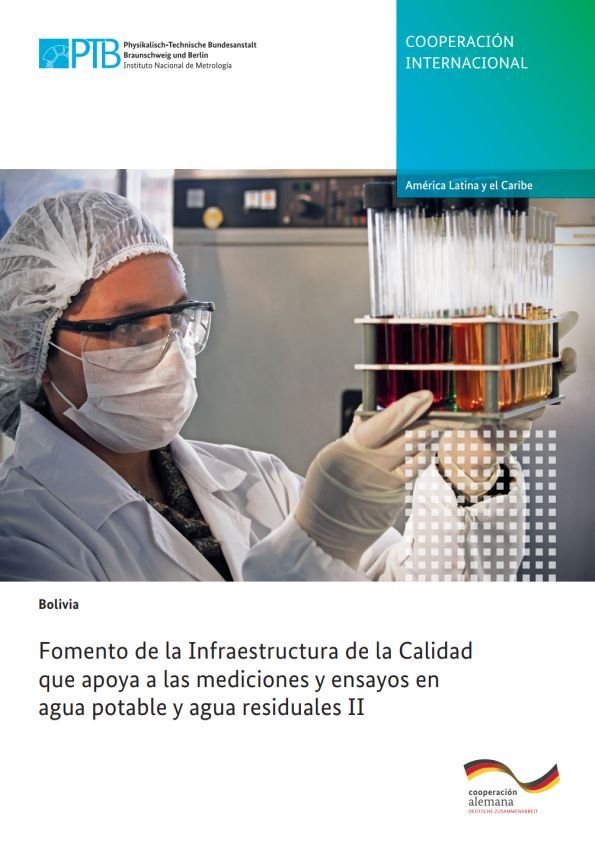
This project, led by PTB and funded by BMZ, aims to enhance Bolivia’s capacity for reliable water quality analysis and metrological assurance in the water and sanitation sector. In partnership with IBMETRO and the Technical Accreditation Directorate, it strengthens calibration services, provides reference materials, and expands laboratory competencies for both potable and wastewater analysis. The initiative also supports the monitoring of waterborne contaminants relevant to food safety. By promoting quality assurance systems and robust measurement practices, the project enables regulators, laboratories, and service providers (EPSAs) to generate trustworthy data, improving oversight, public health outcomes, and sustainable water resource management.
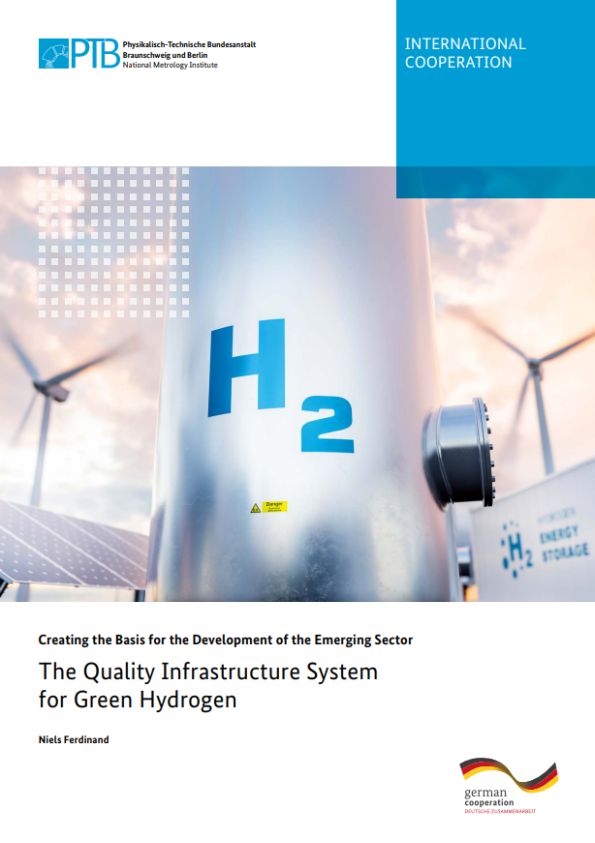
Green hydrogen is a pivotal element in global efforts to decarbonize energy systems, particularly in sectors that are hard to electrify. Despite growing political and industrial interest, the sector faces major technical, infrastructural, and regulatory challenges that hinder its rapid scale-up. This document highlights the essential role of quality infrastructure (QI)—encompassing metrology, standardization, accreditation, testing, and certification—in supporting the safe, efficient, and sustainable development of the green hydrogen value chain. Drawing on international experience, particularly from PTB's global cooperation projects, the report outlines existing service gaps, the need for internationally harmonized standards, and the importance of stakeholder coordination. It advocates for integrating QI early in the sector’s development to mitigate risks, support innovation, and enable international trade.
This brochure introduces the international cooperation work of Germany’s National Metrology Institute, PTB, which helps developing and emerging countries build strong systems of quality infrastructure. These systems ensure accurate measurements, reliable testing, and fair standards—key ingredients for safe products, environmental protection, and fair trade. Through its global partnerships, PTB supports better healthcare, energy use, environmental sustainability, and economic development. The brochure highlights how quality infrastructure benefits everyone by enabling trustworthy measurements in daily life, from medical devices to energy systems and consumer goods.
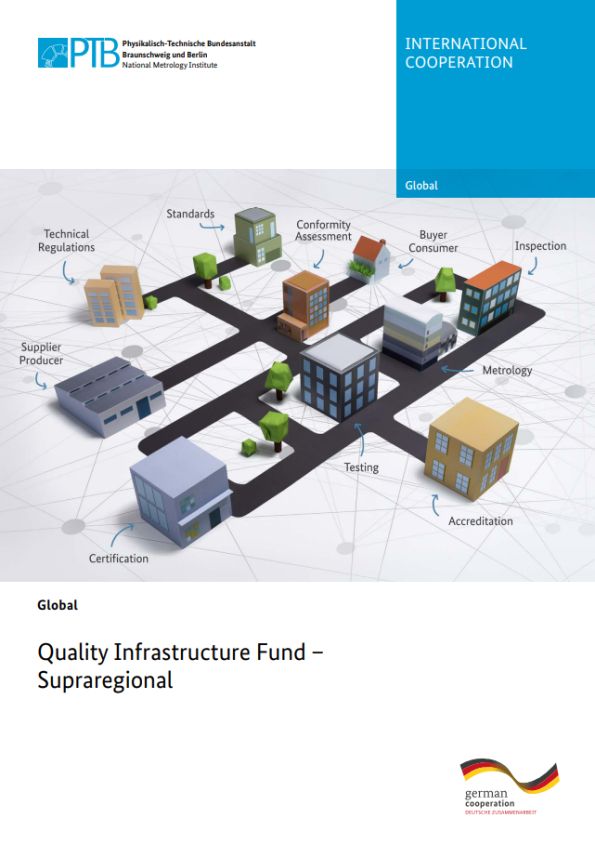
This global project supports developing countries in building strong systems for quality assurance—known as "quality infrastructure"—which help ensure that products and services are safe, reliable, and environmentally friendly. Funded by the German government, the initiative helps partner countries meet international standards so they can trade fairly and sustainably on the global market. The project also promotes consumer and environmental protection, benefiting people across all levels of society. Through expert advice, training, and technical events, PTB works with governments and organizations worldwide to strengthen these essential systems and support long-term development.
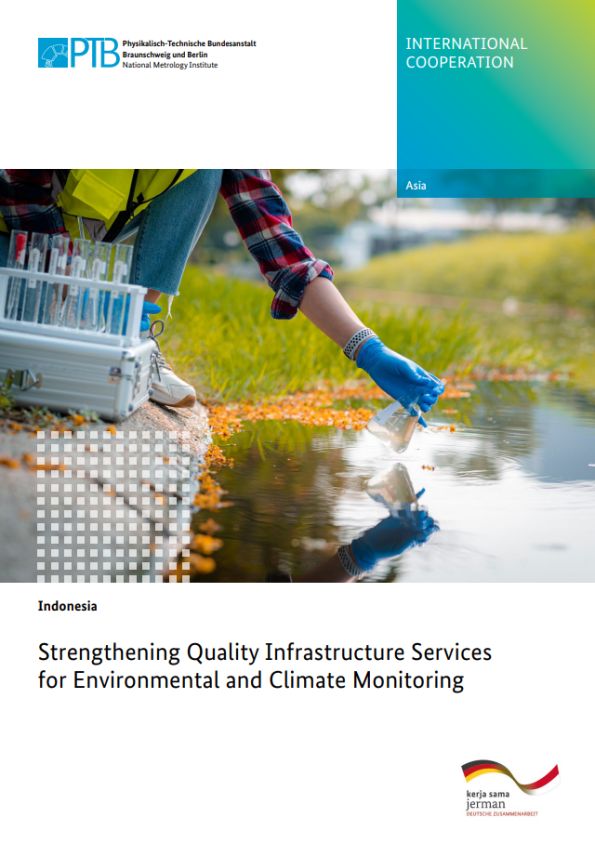
This project, conducted in partnership with Indonesia’s National Standardization Institute (BSN), aims to enhance the reliability of environmental and climate monitoring across Indonesia. By strengthening institutions responsible for quality infrastructure—such as laboratories, regulatory bodies, and industry associations—the initiative supports accurate air and water quality analysis. These improvements help ensure environmental protection, support climate policy, and align with global goals such as clean water access and climate action. The project contributes to better governance, sustainable industry practices, and informed decision-making for a healthier environment.
52 of 75 Pages

 Export Quality Management
The website presents publications related to the regarding the concept of “Export Quality Management”, created by the International Trade Centre (ITC) and PTB.
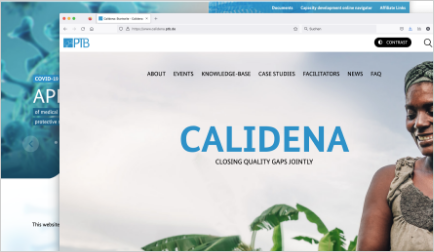
Calidena
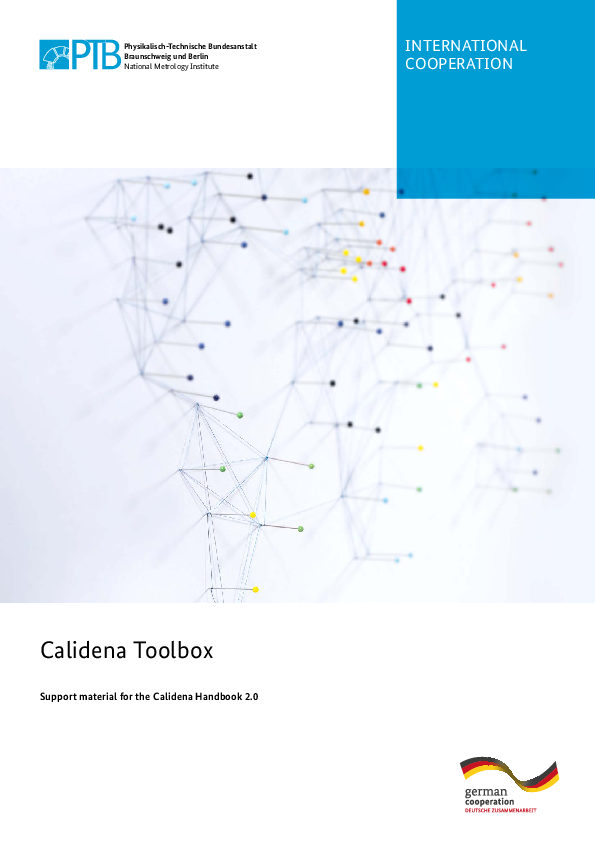
The website presents information and publications related to CALIDENA, including a list of facilitators, studies and news.
SEE QI Fund Website
The website is dedicated to the Regional Consultancy Fund for Quality Infrastructure (SEE QI Fund) project and presents related information.
Capacity development online navigator
The Navigator contains many summaries of formats and experiences as well as practical tips and examples which will help you to better prepare and conduct your virtual events.
QI-Africa
The website presents information, news, and publications related to the "Upgrading of Quality Infrastructure in Africa" project.
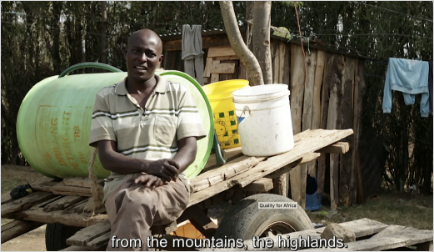 Export Quality Management
The video summarizes the Export Quality Management (EQM) seminars.
Calibrating infrared ear thermometers
Professionals test the accuracy of thermometers prior to sale, and often also perform regular metrological verification tests after the sale.
From the laboratory to sustainable concrete
As part of the Quality Infrastructure Fund project, PTB and Germany’s Bundesanstalt für Materialforschung und -prüfung (Federal Institute for Materials Research and Testing – BAM) created virtual tutorials on the topic of cement
From Farm to Market
The video shows what quality requirements there are for exporting fruit and vegetables in East Africa and how they can be met.
A world without quality infrastructure
Here we show both the effects of a lack of functioning quality infrastructure (QI) and the accidents that functioning QI can prevent.
Assuring Quality during Mango Juice Production – Inspection, Washing and Sorting
The video shows the first stage (inspection, washing and sorting) of mango juice production in Uganda and explains the crucial role of quality assurance.
Assuring Quality during Mango Juice Production – Processing and Pasteurizing
The video shows the second stage (processing and pasteurizing) of mango juice production in Uganda and explains the crucial role of quality assurance.
Assuring Quality during Mango Juice Production – Quality Tests and Packaging
The video shows the third stage (quality tests and packaging) of mango juice production in Uganda and explains the crucial role of quality assurance.